Bringing Your Dog to Dubai: Complete Pet Import Guide 2026
Everything you need to know about importing your dog to the UAE, from paperwork and vaccinations to quarantine rules and airline requirements.
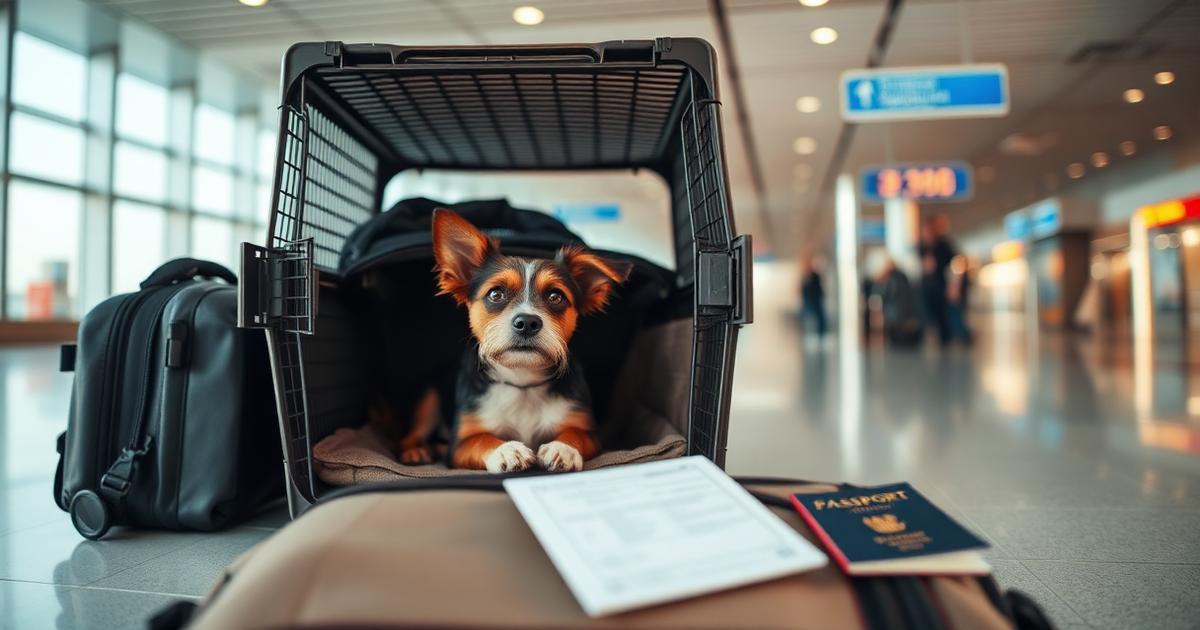
Bringing Your Dog to Dubai: Complete Pet Import Guide 2026
Moving to Dubai with your beloved dog is absolutely possible, but it requires careful planning and strict adherence to UAE pet import regulations. This comprehensive guide walks you through every step of the process, from initial preparations to arrival procedures, ensuring a smooth transition for both you and your furry friend.
Overview of UAE Pet Import Requirements
The UAE has specific requirements for importing pets, designed to protect both local animals and your pet from disease transmission. Understanding these requirements well in advance is crucial, as the process typically takes 2-4 months to complete.
Key Requirements Summary
- Valid microchip (ISO 11784/11785 compliant)
- Current rabies vaccination
- Import permit from UAE Ministry of Climate Change and Environment
- Health certificate from licensed veterinarian
- Blood titer test (for some countries)
Step-by-Step Import Process
Step 1: Microchipping (6+ Months Before Travel)
Your dog must be microchipped before any vaccinations are administered. The microchip must be ISO 11784/11785 compliant, which is the international standard. If your dog already has a microchip, verify that it's the correct type and functioning properly.
Important: The microchip will be scanned at every step of the import process, so ensure it's working correctly before proceeding.
Step 2: Rabies Vaccination (At Least 21 Days Before Travel)
After microchipping, your dog needs a current rabies vaccination. The vaccination must be:
- Administered after the microchip implantation
- Valid at the time of travel (not expired)
- Given at least 21 days before arrival in the UAE
Keep the vaccination certificate with the microchip number recorded.
Step 3: Blood Titer Test (For Certain Countries)
Dogs from countries not classified as "rabies-free" must have a rabies blood titer test. This test:
- Must be performed at an approved laboratory
- Should show antibody levels of at least 0.5 IU/ml
- Must be done at least 3 months before arrival
- Remains valid for the life of the dog if rabies vaccinations are kept current
Countries classified as rabies-free (including most of Western Europe, USA, Canada, Australia, and New Zealand) may be exempt from the titer test requirement. However, regulations change, so verify current requirements with UAE authorities.
Step 4: Other Vaccinations and Treatments
Beyond rabies, your dog should be current on:
- Distemper
- Hepatitis
- Parvovirus
- Parainfluenza
- Leptospirosis
Additionally, internal and external parasite treatments within 10 days of travel may be required.
Step 5: Apply for UAE Import Permit
You must obtain an import permit from the UAE Ministry of Climate Change and Environment (MOCCAE). This can be done online through their e-services portal.
Required Documents:
- Completed application form
- Copy of your passport
- Copy of your UAE residence visa (or entry permit)
- Copy of pet's vaccination certificates
- Copy of pet's microchip certificate
- Recent photo of your pet
- Titer test results (if required)
Processing Time: Typically 3-7 working days
Validity: 30 days from issue date
Step 6: Health Certificate
Within 48 hours of travel (or 10 days for USA), your veterinarian must issue an official health certificate stating that your dog is:
- In good health and fit for travel
- Free from signs of infectious disease
- Vaccinated as required
- Microchipped with the number recorded
This certificate must be endorsed by your country's official veterinary authority (USDA in the USA, APHA in the UK, etc.).
Step 7: Airline Arrangements
Contact your airline well in advance to book pet transport. Requirements vary by airline, but generally include:
For Cabin Travel (Small Dogs):
- Weight limits (typically under 8kg including carrier)
- Approved carrier dimensions
- Advance booking essential
For Cargo Travel:
- IATA-approved crate
- Appropriate sizing (dog should be able to stand, turn, and lie down)
- Water and food containers
- Proper labeling
Popular Pet-Friendly Airlines:
- Emirates (cargo only)
- Etihad (cabin for small pets, cargo for larger)
- British Airways (cargo only)
- Lufthansa (cabin and cargo)
Book early, as pet spaces are limited, especially during peak travel seasons.
Step 8: Arrival Procedures
Upon arrival in the UAE:
- Present Documents: Have all documentation ready for inspection
- Veterinary Check: Your dog will undergo a brief health inspection
- Microchip Scan: The microchip will be verified
- Import Permit Validation: Your permit will be checked and stamped
- Customs Clearance: Pay any applicable fees
Most pets clear within 2-4 hours if documentation is in order.
Quarantine Information
Good news: The UAE does not have mandatory quarantine for dogs arriving with proper documentation from approved countries. However, if any documentation is incomplete or if the dog appears unwell, quarantine may be imposed.
If quarantine is required, it typically takes place at the arriving airport's animal facility. Duration depends on the specific issue but can range from a few days to several weeks.
Restricted and Banned Breeds
The UAE restricts ownership of certain dog breeds considered potentially dangerous. These typically include:
- Pit Bull Terrier
- American Staffordshire Terrier
- Rottweiler (requires special permit)
- Japanese Tosa
- Fila Brasileiro
- Dogo Argentino
Breed restrictions are subject to change, so verify current regulations before making travel plans. Mixed breeds with restricted breed heritage may also face import challenges.
Pet Relocation Services
Given the complexity of international pet transport, many people choose to work with professional pet relocation services. These companies can:
- Navigate complex regulations
- Prepare all documentation
- Arrange transport and crating
- Handle customs clearance
- Provide door-to-door service
While this adds cost, it can significantly reduce stress and ensure compliance with all requirements.
Costs to Expect
Typical costs for importing a dog to the UAE:
| Item | Approximate Cost |
| Microchip | $50-80 |
| Rabies vaccination | $20-50 |
| Titer test | $200-400 |
| Health certificate | $50-150 |
| Import permit | $100-200 |
| Airline transport | $200-2000+ |
| IATA crate | $100-400 |
| Pet relocation service | $2000-5000+ |
Total costs typically range from $500 for small dogs traveling in cabin to $5000+ for larger dogs requiring professional assistance.
Common Mistakes to Avoid
- Starting too late: Begin the process at least 4 months before travel
- Wrong microchip type: Ensure ISO 11784/11785 compliance
- Expired vaccinations: Check all dates carefully
- Incomplete paperwork: Double-check all documents
- Wrong crate size: Measure carefully and follow IATA guidelines
- Forgetting breed restrictions: Research before committing
After Arrival: Registration Requirements
Once in the UAE, you must:
- Register your dog with Dubai Municipality (or Abu Dhabi's ADAFSA)
- Obtain a local license
- Register the microchip in the local database
- Find a local veterinarian for ongoing care
Registration typically costs around AED 50-100 and must be renewed annually.
Returning Home or Traveling Onward
If you plan to return to your home country or travel to another destination with your dog, research those requirements early. Some countries (like the UK, Australia, and New Zealand) have extensive requirements that may take months to fulfill.
Resources and Contacts
- UAE Ministry of Climate Change and Environment: www.moccae.gov.ae
- Dubai Municipality: www.dm.gov.ae
- ADAFSA (Abu Dhabi): www.adafsa.gov.ae
- Emirates Airline Pets: www.emirates.com/pets
- Etihad Pets: www.etihad.com/pets
Preparing Your Dog for the Journey
The flight to Dubai can be stressful for dogs. Proper preparation helps ensure a smoother experience:
Physical Preparation:
- Gradually acclimate your dog to the travel crate weeks before the journey
- Practice short car rides with the crate to reduce anxiety
- Consult your vet about any travel-related concerns
- Avoid feeding a large meal before travel to prevent nausea
Crate Training Tips:
- Make the crate a positive space with treats and toys
- Leave the crate open in your home for your dog to explore
- Gradually increase time spent in the closed crate
- Add familiar-smelling items like your worn t-shirt
Day of Travel:
- Exercise your dog before departing to reduce energy
- Limit water intake to prevent accidents but avoid dehydration
- Stay calm – dogs pick up on owner anxiety
- Arrive early to allow time for check-in procedures
Settling Into UAE Life
The first few weeks after arrival are crucial for helping your dog adjust:
Immediate Priorities:
- Find a local veterinarian for a post-arrival check-up
- Complete local registration within 30 days
- Establish a consistent routine quickly
- Gradually introduce outdoor activities based on weather
Adjustment Period:
- Expect some behavioral changes during the transition
- Maintain familiar feeding schedules and food (bring a supply from home)
- Keep exercise light until your dog acclimates to the climate
- Watch for signs of stress or illness
Climate Acclimation:
If you're arriving during summer months:
- Limit outdoor exposure severely for the first few weeks
- Keep indoor temperatures cool and consistent
- Monitor closely for signs of heat stress
- Gradually increase outdoor time as your dog adapts
Building Your Pet Support Network in the UAE
Connecting with other pet owners accelerates your transition:
Online Communities:
- Join Facebook groups for expat pet owners
- Follow Instagram accounts of local pet businesses
- Participate in community forums for your neighborhood
Local Resources:
- Introduce yourself to your nearest veterinary clinic
- Visit local pet shops to learn about available products
- Research nearby dog parks and walking areas
- Identify emergency veterinary facilities
Networking Opportunities:
- Attend pet-focused community events
- Join dog walking groups in your area
- Connect with breed-specific clubs if available
- Participate in pet charity events
Special Considerations for Senior Dogs
Relocating elderly dogs requires additional care:
- Consult your vet about travel safety for older pets
- Consider sedation options for particularly anxious seniors
- Arrange for minimal layovers to reduce stress
- Have medications readily accessible during travel
- Allow extra time for adjustment post-arrival
Senior dogs may struggle more with climate adjustment, so plan for extended indoor time and gradual acclimation.
Traveling with Multiple Pets
Importing multiple dogs requires additional planning:
- Each dog needs separate documentation and permits
- Consider whether dogs should travel together or separately
- Book airline space early as pet capacity is limited
- Prepare individual crates meeting size requirements
- Budget for multiplied costs across all requirements
Conclusion
Importing your dog to Dubai requires planning, patience, and attention to detail, but it's absolutely achievable. By starting early, following the correct procedures, and ensuring all documentation is complete, you can ensure a smooth transition for your furry family member.
The effort is worth it – Dubai offers a growing number of pet-friendly facilities, excellent veterinary care, and a supportive community of fellow dog owners. Thousands of dogs successfully relocate to the UAE each year, and with proper preparation, yours will join them in enjoying this vibrant, increasingly pet-friendly destination.
Remember that the pet community in Dubai is welcoming and supportive. Don't hesitate to reach out to fellow expat pet owners who have navigated this process before you. Their firsthand experience and advice can be invaluable as you prepare for your own pet's journey to their new home in the Emirates.
Frequently Asked Questions About Pet Import
Answering common questions helps clarify the import process for prospective pet owners.
How long does the entire import process take?
Plan for a minimum of 3-4 months from start to finish. Some requirements, like blood titer tests, have mandatory waiting periods that cannot be shortened. Starting early eliminates last-minute stress and ensures all documentation meets requirements.
Can I bring multiple pets at once?
Yes, multiple pets can be imported simultaneously, but each requires individual documentation, permits, and airline arrangements. Costs multiply accordingly, so budget carefully for multi-pet households.
What if my dog's breed is on the restricted list?
Some restricted breeds may obtain special permits under specific conditions. Contact the Ministry of Climate Change and Environment directly to discuss your situation. Mixed breeds with restricted heritage may face additional scrutiny, so have documentation of your dog's lineage ready.
Are there weight or size restrictions?
The UAE does not impose weight restrictions for pet imports, but airline policies vary significantly. Larger dogs typically travel as cargo, while small dogs may qualify for cabin travel on certain airlines. Research airline policies early, as cargo holds have limited capacity.
What happens if documentation is incomplete upon arrival?
Incomplete documentation may result in quarantine until requirements are satisfied. In severe cases, pets may be returned to their country of origin. Thorough preparation prevents these stressful scenarios.
Working with Pet Relocation Professionals
Professional pet relocation services offer expertise that can prove invaluable, especially for first-time importers or complex situations.
Services Typically Provided:
- Complete documentation preparation and verification
- Coordination with veterinarians and government authorities
- Airline booking and crate arrangements
- Airport pickup and customs clearance
- Door-to-door transport
- Post-arrival registration assistance
Choosing a Provider:
Research providers carefully. Look for:
- IPATA (International Pet and Animal Transportation Association) membership
- Positive reviews from previous clients
- Clear pricing with detailed breakdowns
- Responsive communication
- Experience with UAE specifically
- Insurance coverage for transit
Cost Considerations:
Professional services add significant cost but provide peace of mind and reduce risk of errors. For complex situations—international moves involving multiple countries, rare breeds, or tight timelines—professional assistance often proves worthwhile.
Life After Import: Long-Term Considerations
Successfully importing your dog marks the beginning of your UAE pet ownership journey.
Ongoing Registration:
Annual renewal of pet registration with Dubai Municipality or ADAFSA is mandatory. Mark calendar reminders to ensure continuous compliance. Registration renewals typically coincide with vaccination updates.
Healthcare Continuity:
Transfer your dog's complete medical history to your new UAE veterinarian. This documentation helps providers understand your pet's background and any ongoing conditions requiring attention.
Travel Planning:
If you anticipate traveling with your pet to other countries, research those requirements early. Some destinations (UK, Australia, New Zealand, Singapore) have extensive requirements that may take months to fulfill. Maintain all UAE documentation even if traveling, as re-entry requirements apply.
Emergency Preparedness:
Identify 24-hour emergency veterinary facilities near your home and workplace. Keep emergency contact numbers readily accessible. Consider pet insurance that covers emergency care, as unexpected veterinary expenses in the UAE can be substantial.
Building Your Support Network
Success as a pet owner in a new country often depends on community connections.
Essential Connections:
- Primary veterinarian for routine care
- Emergency veterinary facility
- Reliable pet sitter or boarding facility
- Fellow dog owners in your neighborhood
- Pet supply stores with products your dog needs
- Dog walker or daycare if required
Building these relationships takes time, but the investment pays dividends when challenges arise. The Dubai pet community welcomes newcomers enthusiastically, so don't hesitate to reach out and introduce yourself.
Your dog's journey to Dubai represents a significant undertaking, but the reward—enjoying life in this dynamic city with your beloved companion—makes every effort worthwhile. Welcome to the UAE pet community!