Desert Walks & Dubai Municipality Pet Adoption
Discover safe desert and wadi walks for your dog, plus tips on how dubai municipality pet adoption can help you find your perfect hiking companion.
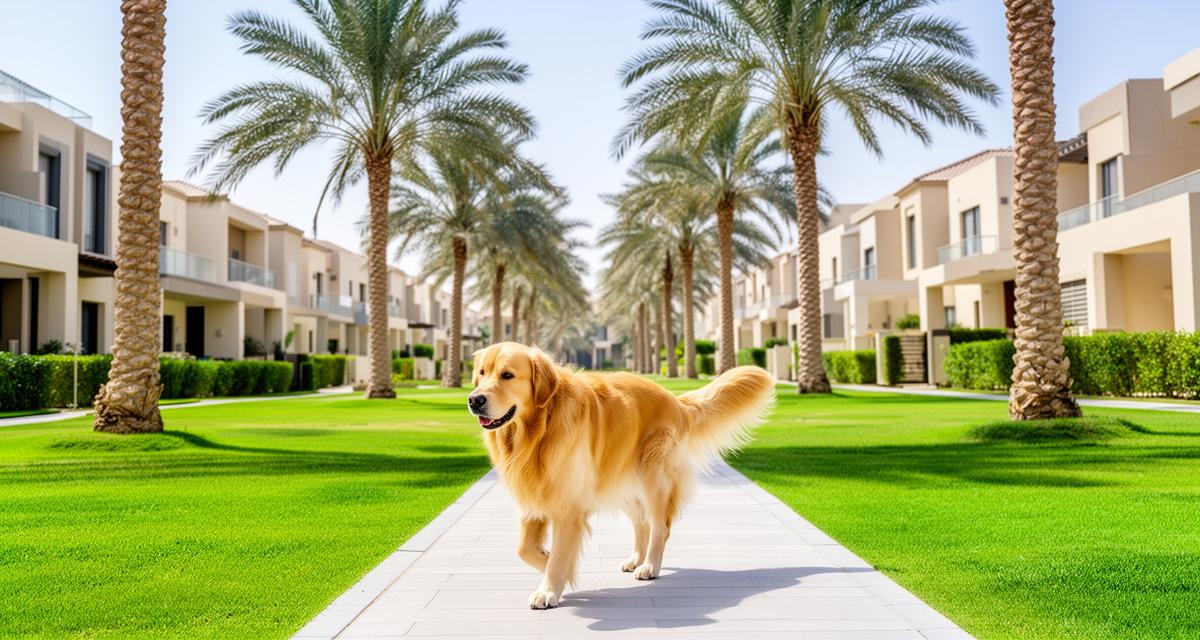
Exploring the natural landscapes of the UAE with your canine companion is one of the most rewarding experiences for a dog owner. Whether you are navigating sweeping dunes or trekking through rocky valleys, outdoor adventures provide excellent physical and mental stimulation. However, if you are currently looking for a new hiking buddy, you might be exploring the process of dubai municipality pet adoption. Welcoming a rescue dog into your home is a beautiful journey, and once they are settled, taking them on safe desert and wadi walks can build an unbreakable bond.
When planning your weekend excursions—keeping in mind that the UAE weekend runs from Friday to Sunday—it is vital to understand the unique challenges of the desert environment. This evergreen guide will walk you through everything you need to know about preparing your dog, keeping them safe, and ensuring every outdoor adventure is a success.
Preparing Your Dog for the Desert
Before heading out into the dunes or rocky valleys, preparation is key. Desert environments are unforgiving, and a dog's needs can change rapidly depending on the terrain and weather. The very first step is ensuring your dog is physically fit for the journey. If you have recently brought a dog home through dubai municipality pet adoption, consult your veterinarian to confirm they are ready for strenuous activity. Check out our Dubai vets directory for trusted clinics.
Building stamina should be a gradual process. Start with shorter walks in your neighborhood before attempting a multi-hour hike in the sand. Walking on loose desert sand requires significantly more energy than walking on pavement. Observe your dog's breathing and gait; if they are lagging behind or panting excessively, it is time to rest or head home.
Hydration and Heat Management
The most critical factor in any UAE outdoor activity is temperature management. Even in cooler months, the midday sun can be intense. Always plan your desert and wadi walks for the early morning, just after sunrise, or late in the afternoon as the sun begins to set.
Dogs do not sweat like humans; they rely on panting and releasing heat through their paw pads. When the ambient temperature is high, panting becomes less effective. Always carry significantly more water than you think you will need—for both you and your dog. A good rule of thumb is to offer your dog water every 15 to 20 minutes during a hike. Collapsible travel bowls are lightweight and essential for these trips.
Recognize the signs of heatstroke, which include excessive panting, drooling, lethargy, bright red gums, and uncoordinated movement. If you notice any of these signs, move your dog to shade immediately, offer water, and cool them down gradually. Never use ice-cold water, as it can cause shock.
Paw Protection in Rocky Wadis
Wadis, the dry riverbeds found throughout the UAE, offer spectacular scenery and exciting exploration opportunities. However, the terrain is often composed of sharp rocks, gravel, and uneven surfaces that can easily tear or blister a dog's paw pads.
If your dog is not accustomed to rough terrain, their paws will be sensitive. Consider investing in high-quality, breathable dog booties. These provide excellent protection against sharp stones and hot sand. It may take some time for your dog to get used to wearing them, so practice indoors and on short neighborhood walks first.
Additionally, always carry a canine first-aid kit. This should include bandages, antiseptic wipes, and tweezers for removing thorns or debris from their paws. After every wadi walk, inspect your dog's pads and between their toes for any cuts or lodged stones.
Wildlife and Environmental Hazards
The UAE desert is home to various wildlife that you and your dog must respect and avoid. While encounters are relatively rare, it is important to be aware of snakes, scorpions, and spiders. Keeping your dog on a sturdy leash is the best way to prevent them from investigating bushes or rocky crevices where these creatures might be hiding.
Wadis pose an additional, unique threat: flash floods. Even if the sky is clear where you are, rain in the distant mountains can send a sudden, powerful surge of water down the wadi bed. Always check the weather forecast for the broader region before venturing into a wadi, and never camp directly in the riverbed.
If you are visiting a nature reserve, ensure dogs are explicitly permitted. Regulations frequently change to protect local flora and fauna. When in doubt, check our Dubai dog parks directory for dedicated spaces where dogs are always welcome.
Dubai Municipality Pet Adoption: Finding a Hiking Buddy
If you are an active individual looking for a companion to join you on your desert treks, adopting a dog is a fantastic choice. The process of dubai municipality pet adoption is straightforward and rewarding. Shelters and municipal facilities often have a wide variety of mixed-breed dogs, many of which are known as "Desert Dogs" or Saluki mixes.
These local breeds are often incredibly well-adapted to the climate and possess the endurance needed for long walks. When visiting a shelter, communicate your active lifestyle to the staff. They can help match you with a dog that has the energy levels and physical structure suited for hiking and outdoor adventures. Remember to browse our guide on dog adoption and shelters in the UAE for more information on the steps involved.
Post-Walk Care and Grooming
After a long dusty walk in the desert or a splash in a remaining wadi pool, your dog will inevitably bring a portion of the outdoors back home with them. Sand can get trapped deep within their coat, causing irritation and matting if left unattended.
A thorough brushing is essential immediately after your hike. For dogs with longer coats, professional grooming might be necessary to keep their fur manageable and skin healthy. If you need assistance keeping your dog's coat in top condition after your adventures, explore our list of dog groomers in Dubai. Regular grooming not only keeps them looking good but also allows you to check for ticks, fleas, and any hidden scrapes they might have picked up on the trail.
Alternative Indoor and Water Activities
While desert and wadi walks are spectacular, the UAE climate sometimes dictates that outdoor hiking is simply not safe, particularly during the peak summer months. It is vital to have alternative plans to keep your dog active and happy when the temperatures soar.
When it is too hot for the dunes, consider visiting an indoor dog park dubai. These climate-controlled facilities offer agility equipment, open play areas, and a safe environment for socialization away from the blistering sun. They are perfect for burning off excess energy without the risk of heatstroke.
If your dog loves water, coastal activities are a brilliant alternative to dry desert hikes. Taking your dog for a swim is fantastic, low-impact exercise that keeps them cool. You might want to visit a dog beach dubai or look into the facilities around dubai islands beach, which are becoming increasingly popular for pet owners. Always ensure that the specific beach zone explicitly permits dogs before letting them off the leash. For a comprehensive list of coastal options, check out our guide to dog-friendly beaches in the UAE.
Additionally, many urban areas feature a pet fun park—a designated enclosed area within a larger community park where dogs can run freely. These are great for shorter, daily exercise routines when a full desert excursion is not feasible.
Training for the Trail
A successful outdoor adventure requires basic obedience and trail etiquette. Your dog should have a reliable recall, even if you plan to keep them leashed. In the vast, open spaces of the desert, a dropped leash can quickly turn into an emergency if your dog decides to chase a gazelle or a bird.
Practice the "leave it" command rigorously. This is crucial for stopping your dog from interacting with dangerous wildlife, eating unknown plants, or investigating discarded waste. Consistent training ensures that your time in the desert is stress-free and enjoyable for both of you.
If you are planning a multi-day trip and cannot take your dog with you, ensure they are well cared for by utilizing a reputable boarding facility. You can find excellent options by checking our directory for dog boarding and pet hotels.
The Importance of Routine Check-ups
Active dogs that spend a lot of time in natural environments require diligent healthcare. Discuss your outdoor activities with your veterinarian. They may recommend specific preventative treatments for parasites that are more common in natural scrublands and wadis.
Keep your dog's vaccinations up to date, and maintain a regular schedule for tick and flea prevention. The peace of mind that comes from knowing your dog is protected allows you to fully immerse yourself in the beauty of the UAE's natural landscapes.
Frequently Asked Questions
What should I bring on a desert walk with my dog?
You must bring ample drinking water, a collapsible bowl, protective dog booties, waste bags, and a basic canine first aid kit. It is also wise to carry a fully charged mobile phone and inform someone of your route before you leave.
How can I apply for dubai municipality pet adoption?
The process generally involves visiting the facility, filling out an application form, and undergoing a brief interview to ensure you are a suitable match. You will need to provide valid UAE identification and pay an adoption fee, which usually covers microchipping and initial vaccinations.
Are wadi walks safe for small dogs?
Wadi walks can be safe for small dogs if the terrain is not overly steep or rocky, but they will tire much faster than larger breeds. You may need to carry them over difficult sections, so a specialized dog-carrying backpack is a great investment.
When is the best time of year for desert hiking with dogs?
The safest time for desert hiking is during the cooler winter months, typically from November to March. Even during these months, it is best to avoid the midday sun and stick to early morning or late afternoon walks.
How do I protect my dog's paws from hot sand?
The best protection is to avoid walking when the sun is high; if the sand is too hot for your bare hands, it is too hot for their paws. For rocky or mildly warm terrain, properly fitted dog booties provide excellent insulation and protection.