The Ultimate UAE Dog Beach Guide (And Tips for Dubai Shelter Rescues)
Planning a trip to a dog beach dubai? Whether you're visiting with a lifelong pet or a new rescue from dog shelters dubai, here is your definitive safety guide.
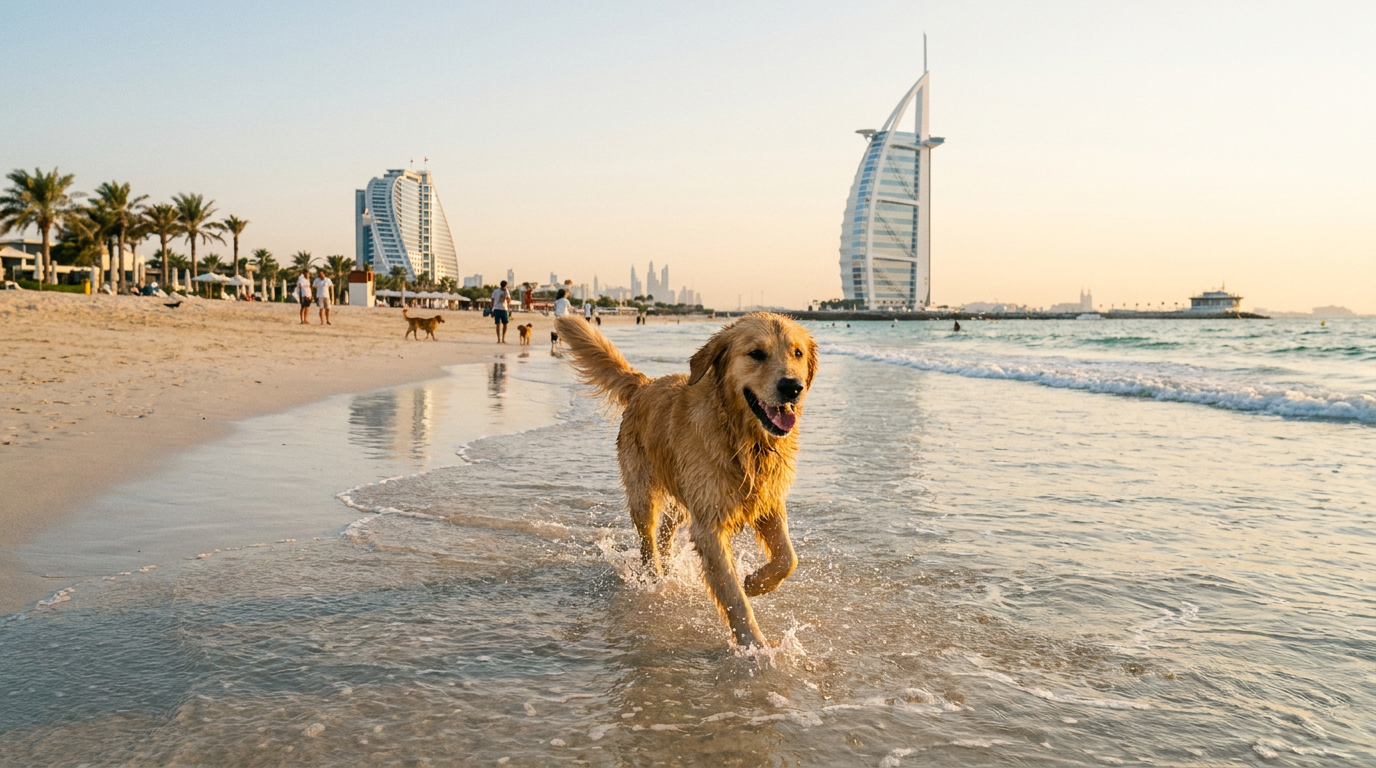
There is nothing quite like watching your canine companion sprint across the sand and splash in the waves. For many UAE residents, preparing for a trip to a dog beach dubai is a weekend ritual. Whether you have a confident, water-loving retriever you have raised from a puppy, or you have recently brought home a timid rescue from one of the many dog shelters dubai has to offer, a beach outing requires careful planning. The transition from indoor lounging to coastal running brings unique safety, legal, and behavioural considerations. This definitive guide covers everything you need to know about navigating the sand and surf legally and safely with your dog in the UAE.
Understanding UAE Dog Beach Rules
Taking your dog to the beach in the UAE is a privilege that comes with strict responsibilities. Unlike some countries where dogs can roam freely on almost any coastline, the UAE designates specific areas where dogs are permitted. Taking your dog to a non-designated public beach can result in hefty fines and negatively impact the community's perception of dog owners.
When searching for dog-friendly beaches in the UAE, it is crucial to verify the current status of the location before you pack your car. Rules can change, and a beach that welcomed dogs last year might have new restrictions today.
Generally, leash laws apply even on dog-friendly shores. Unless an area is explicitly marked as an off-leash zone, your dog must remain securely tethered. This protects not only your dog but also other beachgoers and local wildlife. Always carry waste bags and clean up immediately; leaving a mess is the quickest way for a community to lose its dog-friendly status. Ensure your dog's vaccination records are up to date and that they are wearing their municipality tag on their collar at all times.
Essential Gear for a Dog Beach Dubai Visit
A successful beach day requires more than just a towel and a tennis ball. To ensure your dog remains safe and comfortable, pack a dedicated beach bag for them.
First and foremost is fresh water. Dogs cannot drink seawater; ingesting saltwater leads to severe dehydration, vomiting, and in extreme cases, fatal sodium ion poisoning. Bring at least double the amount of fresh water you think your dog will need, along with a collapsible bowl.
Sun protection is another critical factor. Dogs with short coats, light-coloured fur, or pink noses are highly susceptible to sunburn. Apply a pet-safe sunscreen to their nose, ear tips, and belly before hitting the sand.
A well-fitted canine life jacket is highly recommended, even for strong swimmers. The ocean is unpredictable, and underwater currents or sudden fatigue can endanger any dog. A life jacket with a sturdy top handle allows you to quickly lift your dog out of the water if they panic or get into trouble.
Finally, consider paw protection. The sand in the UAE can reach blistering temperatures, especially during the middle of the day. If the sand is too hot for your bare feet, it will burn your dog's paw pads. Protective booties or paw wax can help, but visiting during the cooler early morning or late afternoon hours is the best preventative measure.
Heat Safety and Weather Awareness
The UAE climate demands strict adherence to heat safety protocols. Even in October, temperatures can be punishing. For example, during the first week of October, daytime highs routinely hit 36°C to 39°C, with humidity levels peaking anywhere from 69% to 97%. These conditions are dangerous for dogs, who cool themselves primarily through panting rather than sweating.
When planning your beach trip, aim for the golden hours: shortly after sunrise or just before sunset. Never force your dog to exercise in the midday heat. Keep a close eye out for signs of heatstroke, which include excessive panting, drooling, reddened gums, lethargy, uncoordinated movement, and collapse.
If you suspect your dog is overheating, move them to the shade immediately, offer small amounts of cool (not ice-cold) water, and wet their paws and belly. Do not throw cold water over their entire body, as this can cause shock. If symptoms persist, seek emergency veterinary care. Having a list of nearby clinics from the Dubai vets directory saved in your phone is a vital safety measure.
Preparing Rescues from Dog Shelters Dubai for the Beach
If you have recently adopted a dog from one of the dog shelters dubai operates, their first beach visit requires extra patience. Many rescue dogs have unknown histories and may never have seen the ocean. The sound of crashing waves, the shifting sand, and the vast open space can be incredibly overwhelming for them.
Start slow. For their first visit, do not force them into the water. Let them observe the environment from a safe distance while on a secure leash and harness. Bring high-value treats and reward them for calm behaviour. If your new dog shows signs of severe stress—such as tucking their tail, trembling, or trying to bolt—pack up and try again another day. It is far better to have a short, positive five-minute visit than a prolonged, terrifying ordeal.
Socialisation is also key. Beaches are often busy, high-stimulation environments with running children, other dogs, and flying toys. Before tackling the beach, you might want to build your rescue dog's confidence in a controlled, enclosed environment. You can explore a local dog park first. If you are wondering how to find one, the Dubai dog parks directory is an excellent resource for finding safe, fenced areas to practice recall and neutral socialisation. For further reading on helping your rescue adjust, check out the Dog Parks Dubai blog.
Navigating the Water: Swimming Safety
Not all dogs are natural swimmers. Breeds with heavy chests and short legs, such as Bulldogs and Pugs, often struggle to stay afloat and should never be allowed in deep water without a life jacket and close supervision.
When introducing your dog to the water, wade in with them. Encourage them gently with a toy or a treat, but never throw them in. Let them dictate the pace. Watch out for hazards like sharp rocks, jellyfish, and strong undercurrents.
Be mindful of sand ingestion. Dogs love to dig and catch sandy tennis balls, but swallowing too much sand can lead to sand impaction in the intestines—a severe condition requiring surgical intervention. Swap the fuzzy tennis balls for smooth, rubber water toys that don't collect sand, and discourage your dog from digging and biting at the shoreline.
Post-Beach Care and Grooming
The care doesn't stop when you leave the beach. Saltwater, sand, and beach debris can wreak havoc on your dog's skin and coat. Leaving salt and sand in their fur can cause severe itching, hot spots, and skin infections.
As soon as you get home, thoroughly rinse your dog with fresh water. Pay special attention to their underbelly, armpits, and paws, ensuring all sand is washed away from between their toes. Clean their ears with a veterinarian-approved ear cleanser to prevent moisture buildup, which can lead to painful ear infections.
If your dog has a thick or double coat, you may need a full grooming session to ensure the salt and sand are completely removed. If you prefer to leave it to the professionals, booking an appointment with one of the many dog groomers in Dubai is a great way to ensure their coat stays healthy and mat-free after a weekend of coastal adventures.
Exploring Alternatives: Dog Parks and Cafes
Sometimes, a beach day just isn't feasible. Perhaps the weather is too humid, the sea is too rough, or your dog is recovering from a minor injury. On these days, it is great to have backup plans.
If you find yourself searching for a "dog park near me" to burn off your dog's energy safely, the UAE has several excellent enclosed options. A designated dog park provides a fantastic space for off-leash running and socialisation without the hazards of the ocean.
Alternatively, if the October heat is too intense, indoor options are a lifesaver. Taking your dog to an indoor venue like the popular fluffin dog cafe provides mental stimulation and a change of scenery in a strictly climate-controlled environment. You can also explore various pet-friendly restaurants and cafes in Dubai to enjoy a weekend brunch with your furry friend safely away from the sweltering sun.
If you are heading out of town for the weekend and cannot take your dog with you, ensure they are left in safe hands. Researching reputable dog boarding and pet hotels well in advance will give you peace of mind while you travel.
Whether you are navigating the waves, visiting a local park, or simply enjoying an air-conditioned cafe, the UAE offers a wealth of options for responsible dog owners. By prioritising safety, adhering to local laws, and respecting your dog's individual limits, you can ensure every weekend outing is a success.
Frequently Asked Questions
Can I let my dog off the leash at any UAE beach?
No. Dogs must remain on a leash at all times unless you are at a specifically designated off-leash dog beach. Fines for breaking leash laws can be substantial, and enforcing these rules helps keep public areas safe for everyone.
What should I do if my dog drinks seawater?
Stop them immediately and offer plenty of fresh water. Minor ingestion may cause mild diarrhoea, but if your dog has consumed a large amount, they may suffer from sodium poisoning. Monitor them closely for vomiting or lethargy and contact your vet if symptoms appear.
Are there any specific rules for adopting dogs from UAE shelters?
Yes, the adoption process usually involves application forms, home checks, and adoption fees to cover microchipping, vaccinations, and neutering. You can learn more about the process by checking resources on dog adoption and shelters in the UAE.
How do I stop my dog from eating sand at the beach?
Avoid throwing wet, sandy toys for them to catch, and use smooth rubber toys instead of fuzzy tennis balls. Keep them engaged with training and supervision, and if they obsessively dig and eat sand, it is safest to limit their beach time or keep them moving on a leash.
Is it safe to take a puppy to the dog beach?
Puppies should only visit public beaches after they are fully vaccinated to protect them from diseases like parvovirus. Additionally, puppies tire very easily and are more susceptible to extreme temperatures, so keep visits very short and highly supervised.