UAE Dog Beach Guide & Finding an Animal Shelter Near Me
Planning a beach day with your dog? Learn UAE rules, heat safety, and what to do if you need an animal shelter near me when finding a stray.
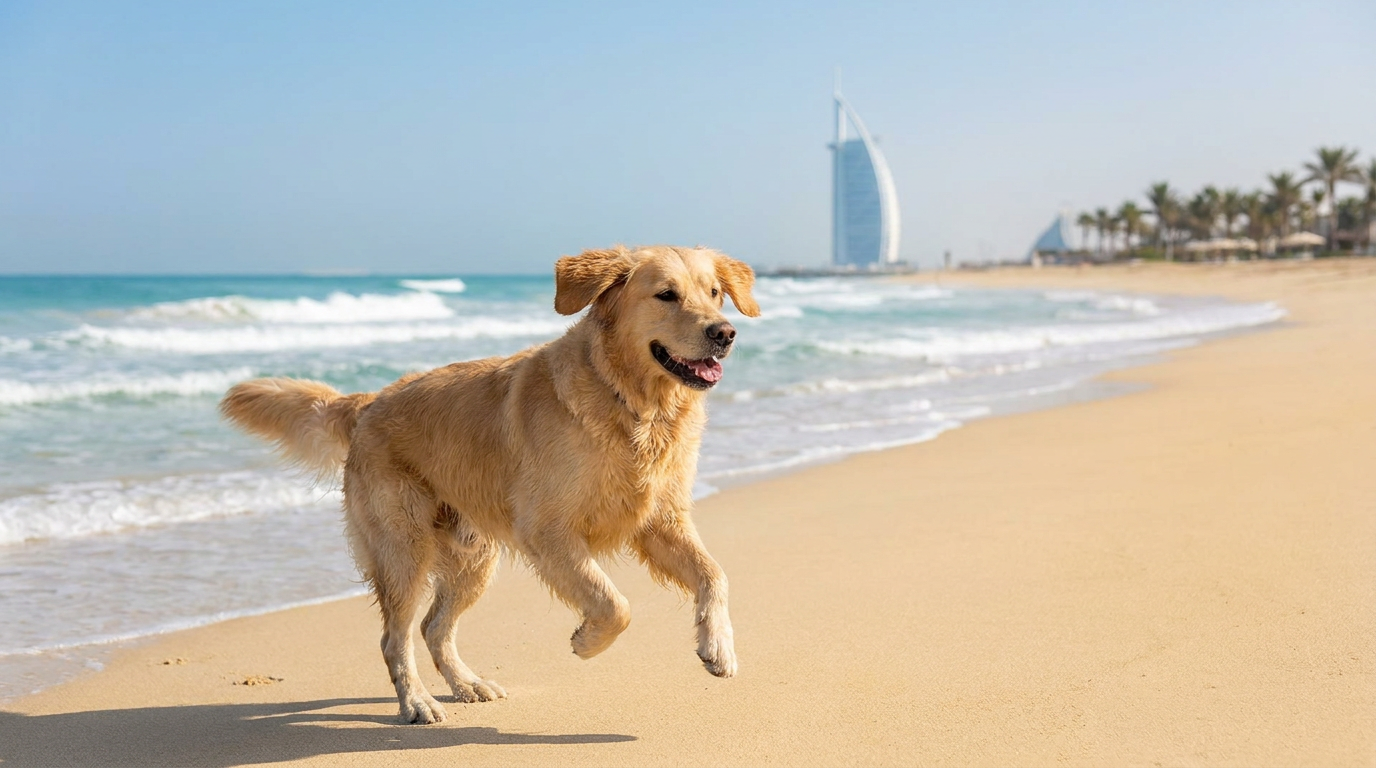
Taking your dog to the beach in the United Arab Emirates is a dream for many pet owners, but it requires careful preparation to ensure a safe and legal experience. Whether you are bringing your newly adopted companion for their first swim, or you suddenly find yourself needing to search for an "animal shelter near me" because you encountered a stray dog wandering near the coastline, understanding the unique environment of the UAE is absolutely essential. From extreme temperatures to strict municipal regulations, managing a dog near the ocean here is different from anywhere else in the world.
This guide covers everything you need to know to ensure your beach trips are safe, legally compliant, and enjoyable for both you and your dog throughout the entire year.
Understanding UAE Dog Beach Regulations
Before you even pack your towels and dog toys, it is crucial to understand the legal landscape for dogs in the UAE. Not every stretch of sand welcomes pets. In fact, taking a dog to a non-designated public beach can result in significant municipal fines. You must ensure you are visiting officially designated dog-friendly beaches in the UAE.
Most owners discover the rules in the wrong order—they get the dog, head to a public space, and then find out about licensing requirements source. To legally enjoy any public space, including beaches, your dog must be fully vaccinated, microchipped, and registered with the relevant municipality. They must wear their municipality tag on their collar at all times. Failure to produce this tag can lead to fines or being asked to leave the premises immediately. Always keep a digital copy of your dog’s vaccination booklet on your phone just in case officials conduct a spot check.
Preparing for the Heat and Sand
Owning a dog in this region is straightforward once you understand three things: the rules, the heat, and the fact that preparation is non-negotiable source. The UAE climate dictates your beach schedule. During the cooler months, you have more flexibility, but during the warmer seasons—when temperatures can easily reach 37°C to 40°C with humidity upwards of 95%—beach trips must be restricted to the very early morning or late evening.
Sand acts as a heat sink. If the sand is too hot for you to hold your bare hand against it for five to seven seconds, it will burn your dog’s paw pads. Burnt paw pads are a common and painful injury that often requires immediate veterinary attention. To avoid an emergency trip to an animal hospital, always test the sand before letting your dog walk on it, or invest in high-quality protective dog boots.
Furthermore, provide constant access to fresh, cool drinking water. Dogs do not sweat like humans; they pant to release heat. If they are running on the sand and swimming, they will dehydrate much faster than you might expect. Bring a portable travel bowl and at least double the amount of water you think your dog will need.
Water Safety and Swimming Precautions
A beach trip looks like the easiest possible outing with a dog—open space, water, and nothing to break—but the ocean presents hidden risks source. Not all dogs are natural swimmers. Breeds with heavy chests and short snouts, such as Bulldogs or Pugs, often struggle to stay afloat and are at a higher risk of exhaustion or drowning. If you are unsure of your dog's swimming capabilities, a well-fitted canine life jacket is a crucial investment. You can usually find these at reputable pet shops in Dubai like The Petshop source.
Keep a close eye on your dog to prevent them from drinking seawater. Ingesting salt water can lead to "beach diarrhea" or, in severe cases, fatal salt toxicity. If you notice your dog trying to drink from the ocean, recall them immediately and offer them fresh water.
Always scan the water for jellyfish, strong undercurrents, and sharp rocks. If your dog sustains a cut from a submerged rock or shell, rinse the wound with clean, fresh water, apply basic first aid, and locate an animal hospital near me for professional medical assessment if the bleeding does not stop quickly.
Finding a Stray: When to Search for an Animal Shelter Near Me
Unfortunately, it is not entirely uncommon to encounter stray or abandoned animals while exploring remote beach areas or coastal scrubland. The immediate instinct when you find a dog living rough is to help it immediately by putting it in your car source. However, handling a stray requires caution.
If you find a dog wandering alone on the beach, do not panic and do not chase it, as this may drive it toward a busy road or deeper into dangerous waters. Instead, try to coax it closer with fresh water or treats. Check to see if the dog is wearing a collar with a municipality tag or contact number.
If there is no identification, your next step is to secure the animal safely and begin searching for a facility to help. Many people immediately type "animal shelter near me" into their phones, but the process of surrendering a stray involves specific protocols. You can reach out to a recognized dog shelter dubai or contact local rescue organizations to report the found dog. If the dog appears injured, dehydrated, or in distress, your priority should be finding a nearby animal hospital where a veterinarian can scan for a microchip and provide emergency stabilization.
There is a robust network dedicated to dog adoption and shelters in the UAE, but resources are often stretched thin. When contacting an animal shelter dubai or an independent rescue group, provide them with a clear description of the dog, your exact location, and the animal's physical condition. By taking these responsible steps, you ensure the stray gets the professional help it needs without putting yourself or the animal at further risk.
Post-Beach Care and Grooming Routine
The care does not stop once you pack up the car and leave the beach. The combination of salt, sand, and ocean moisture can wreak havoc on a dog's skin and coat if left untreated.
Always thoroughly rinse your dog with fresh water before getting into the car. Once you arrive home, a proper bath with a dog-safe shampoo is highly recommended to remove all lingering salt and abrasive sand particles from their undercoat and skin folds. If salt is left on the skin, it can cause severe drying, itching, and hot spots.
After the bath and towel dry, applying a moisturizing coat spray is an excellent way to restore the natural oils stripped away by the ocean water source. Pay special attention to their ears; use a veterinarian-approved ear cleaner to gently wipe out the ear canals, as trapped moisture from swimming is a leading cause of ear infections in dogs.
Finally, monitor your dog for the rest of the day. They should be comfortably tired, but if they display signs of extreme lethargy, vomiting, or diarrhea (often caused by accidental saltwater ingestion), do not hesitate to contact your vet.
Making the Most of Your Weekend
Planning your Friday-Sunday weekend around your dog's needs is a rewarding way to bond. If the weather is simply too hot for the beach, remember there are always alternative ways to burn off that canine energy. You can explore indoor facilities listed in the Dubai dog parks directory or arrange a professional wash to deal with any lingering beach sand by consulting dog groomers in Dubai.
No matter where you choose to spend your time, prioritizing your dog’s safety, hydration, and legal compliance will ensure that every outing is a positive experience for your furry companion.
Frequently Asked Questions
What should I do if my dog drinks seawater?
If your dog takes a few laps of seawater, offer them plenty of fresh water immediately to dilute the salt and monitor them for mild diarrhea. If they have ingested a large amount and begin vomiting, acting lethargic, or showing neurological signs, take them to a veterinarian immediately to treat salt toxicity.
Can I let my dog off the leash at the beach?
You can only let your dog off the leash at beaches that explicitly permit off-leash activities for dogs. Even in these designated zones, you must have a reliable recall; if your dog does not come back when called, they must remain on a long line or leash for everyone's safety.
What is the best way to handle hot sand?
Always place the back of your hand against the sand for seven seconds; if it is too hot for your skin, it will burn your dog's paw pads. Stick to visiting the beach during the early mornings or late evenings, or equip your dog with protective canine boots designed for heat resistance.
Who do I call if I find a stray dog at the beach?
If you find a stray, secure the dog safely if possible and search for an animal shelter or rescue organization in your emirate. You can also take the dog to a local veterinary clinic to have them scanned for a registered microchip free of charge, which is the fastest way to reunite them with their owner.